
Blog
10 Things You Can’t Say to Someone Who Beat Breast Cancer (Don’t Miss #1!)


We’ve all seen the celebratory videos, the ringing of the "end of treatment" bell, the tears of joy, and the flurry of pink confetti. It feels like the finish line of a marathon, and as friends and family, we want to cheer as loudly as possible. But here at I Will Survive, Inc, we’ve learned that for many survivors, ringing that bell is actually the start of a whole new, often quieter, struggle.
The transition from "patient" to "survivor" is complex. While the physical battle with active cells might be over, the emotional and psychological recovery is just beginning. We want to help our community move beyond surviving and truly thrive, but that requires a specific kind of support from those around them. Sometimes, well-meaning comments can sting more than they soothe.
If you’re looking to support a loved one in their "new normal," we’ve put together a list of things to avoid. Stick with us until the end, you won't believe the cringe-factor of #1, but it’s something survivors hear more often than you’d think.
10. "I bet you're glad that's all over and done with!"
We often assume that once the last round of radiation is finished, the person is "back to normal." However, the emotional recovery often starts after the physical treatment ends. When you’re in the thick of it, you’re in survival mode. You’re focused on appointments, dosages, and getting through the day.
When the appointments stop, the silence can be deafening. That’s when the trauma often processes. Perhaps we can try saying, "I’m here for you as you navigate this next chapter," instead of assuming the book is closed. If they need a safe space to talk, we always encourage people to get support through our local resources.
9. "My [distant relative] had the same thing and [negative outcome]."
This might seem obvious, but you’d be surprised how often people share horror stories as a way of "relating." When someone has just finished treatment, the last thing they need to hear is a story about a recurrence or a tragic ending.
Every diagnosis is unique. Sharing a story about your great-aunt’s unsuccessful battle doesn't build connection; it builds anxiety. If you feel the urge to share a story, try to find one about someone who is now living a full, vibrant life.
8. "Can I see the scars?"
Privacy still matters post-treatment. For many survivors, their scars are a deeply personal map of a very difficult time. Some may wear them as badges of honor, while others may feel a sense of grief every time they look in the mirror.
Unless a survivor offers to share that part of their journey with you, it’s best not to ask. Surgery is invasive, and the recovery, both physical and emotional, is a private matter. We provide educational resources on things like mastectomies to help people understand the process without having to put survivors on the spot.

7. "I heard stress/sugar/plastic causes cancer, so are you changing your lifestyle?"
This is a subtle form of victim-blaming. It implies that if they had just eaten more kale or used fewer plastic water bottles, they wouldn't have gotten sick. Cancer is a biological glitch, not a moral failing or a simple result of "lifestyle choices."
While health is important, survivors are already hyper-aware of their bodies. They don't need a lecture on the dangers of refined sugar. Instead of offering unsolicited medical advice, perhaps we could offer to go for a walk together or bring over a healthy, home-cooked meal.
6. "You should be so grateful to be alive."
Gratitude and trauma can coexist; let them feel both. Of course, they are glad to be here, but "being alive" came at a very high cost. They may be grieving the loss of their hair, their energy, their fertility, or their sense of safety in the world.
Telling someone they "should" feel a certain way invalidates their actual experience. It’s okay for them to be grateful and angry, or grateful and sad. We are a breast cancer awareness organization in Atlanta that believes in honoring the full spectrum of the survivor experience.
5. "Now you can finally get back to your old self."
Here is the truth: cancer changes you. There is no "old self" to go back to, only a "new normal." The person who went into treatment is not the same person who came out. They may have different priorities, different energy levels, and a different perspective on life.
Instead of waiting for them to "return," try getting to know the person they are now. Celebrate the growth and the resilience they’ve shown.

4. "You look so healthy, I forgot you were even sick!"
While intended as a compliment, this can feel incredibly dismissive. Invisible struggles like chronic fatigue, "chemo-brain," and joint pain from maintenance medications are very real long after the hair grows back.
When you tell someone they "look healthy," it can make them feel like they aren't allowed to express when they are actually struggling. We find it helpful to acknowledge that recovery takes time. Managing fatigue is a marathon, not a sprint.

3. "Are you 'cured' now?"
The word "cured" is a heavy one. Many survivors live with a permanent, low-level fear of recurrence. Every ache or pain can trigger a moment of panic. Instead of "cured," most doctors use the term "NED" (No Evidence of Disease) or "remission."
Asking if they are cured can feel like a lot of pressure to guarantee a future they don't have full control over. A better approach might be to ask how their recent follow-up appointments have been going, showing you care about their ongoing health journey.
2. "You're so lucky you had the 'good' kind."
There is no "good" cancer. While some types have higher survival rates or less invasive treatments, every diagnosis involves fear, medical intervention, and a complete disruption of life.
Calling a diagnosis "good" minimizes the very real trauma the person went through. It’s better to simply acknowledge the difficulty of the situation: "I know how much you’ve been through, and I’m so glad you’re on this side of it."
1. "At least you got new breasts."
This is the ultimate cringe. Minimizing life-altering surgery to a "free boob job" ignores the trauma, pain, and loss of sensation that comes with reconstruction. A mastectomy is not a cosmetic choice; it is a life-saving necessity.
Implants or reconstructed tissue do not feel the same as natural breasts. There is often permanent numbness, scarring, and multiple follow-up surgeries. Suggesting there is a "silver lining" of "better" breasts is deeply insensitive to the physical and emotional loss a woman has experienced.
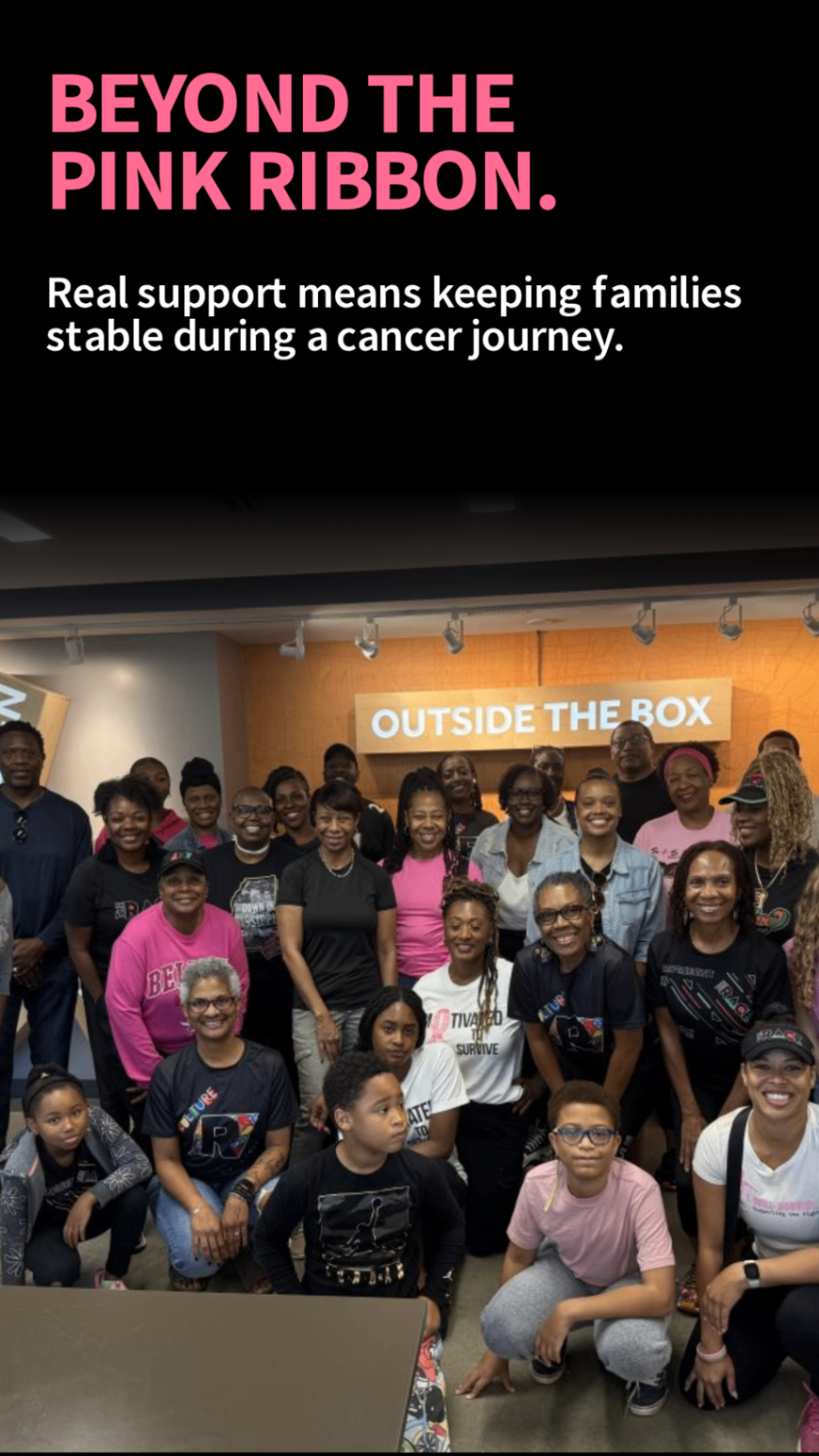
At I Will Survive, Inc, we focus on the whole person. We know that support means more than just a ribbon; it means keeping families stable and hearts whole.

How to Actually Show Up
So, what should you say? Often, the best thing you can do is listen.
- "I’m so happy to see you, and I’m here whenever you want to talk, or not talk, about what you’ve been through."
- "How are you feeling today?"
- "I'd love to help with [specific task] this weekend. Does that work for you?"
We believe in the power of community. Whether it's through our art and jazz gala or our volunteerism programs, we aim to create a space where survivors don't have to explain themselves.
As the legendary Maya Angelou once said, "I can be changed by what happens to me. But I refuse to be reduced by it." Let’s make sure our words help survivors feel seen, rather than reduced.
Let’s Make an Impact Together
If you want to help us continue providing education and emergency financial assistance to those impacted by breast cancer, please consider making a donation. Every bit helps a family stay in their home while they navigate the transition from patient to survivor.
Together, we can ensure that every survivor in our community feels truly supported: not just during the battle, but for all the years of life that follow. Reach out to us if you want to get involved and help us change the conversation around survivorship.