
Blog
5 Steps to Move Beyond Surviving and Reclaim Your Life (A Guide for Survivors)


When the final bell rings or the last treatment session ends, there is often a wave of relief. But for many of us, that relief is quickly followed by a quiet, unsettling question: "Now what?"
I remember talking to a survivor named Maya a few months ago. She described the "post-cancer fog" perfectly. During treatment, your life is scheduled by doctors, scans, and infusions. You’re in survival mode, and your only job is to get through the next hour. But when the dust settles, the world expects you to just "go back to normal." The problem is, that old version of normal doesn't exist anymore.
Moving beyond surviving isn't about erasing what happened. It’s about taking the wisdom you’ve gained and using it to build a life that feels even more intentional and vibrant than the one you had before. It’s a process of reclamation. At I Will Survive, Inc., we’ve seen thousands of people navigate this transition, and while every journey is unique, there are specific steps we can take together to move from just "getting by" to truly living again.
Step 1: Understand and Honor Your Experience
The first step to reclaiming your life is making sense of the one you’ve just lived through. Trauma has a way of scrambling our timeline. We might feel like we’re stuck in the past or terrified of the future. To move forward, we have to look back, not to dwell, but to gain clarity.
Many survivors carry a heavy weight of self-blame. We wonder if we could have found the lump sooner or if our lifestyle choices played a role. It seems we can’t always find all the answers we want, but we can find peace in the truth: what happened was not your fault.
Understanding your experience means acknowledging the physical, emotional, and spiritual toll the journey took on you. It means recognizing that your survival mechanisms, the "numbness" or the "hyper-focus", served a purpose at the time. They kept you safe. But perhaps you no longer need those shields. By processing the "what happened," you stop it from being a ghost that follows you into your new life.
Step 2: Establish Protection and Healthy Boundaries
In the "survival" phase, you probably had to let a lot of things slide. Maybe you let people overstep because you didn't have the energy to fight back, or maybe you pushed your body past its limits because you had no choice. To reclaim your life, you must become the gatekeeper of your own energy.
Establishing boundaries is a form of self-protection. It means learning to say "no" without feeling the need to provide a twenty-minute explanation. It might mean limiting time with people who "don't get it" or who drain your emotional reserves.
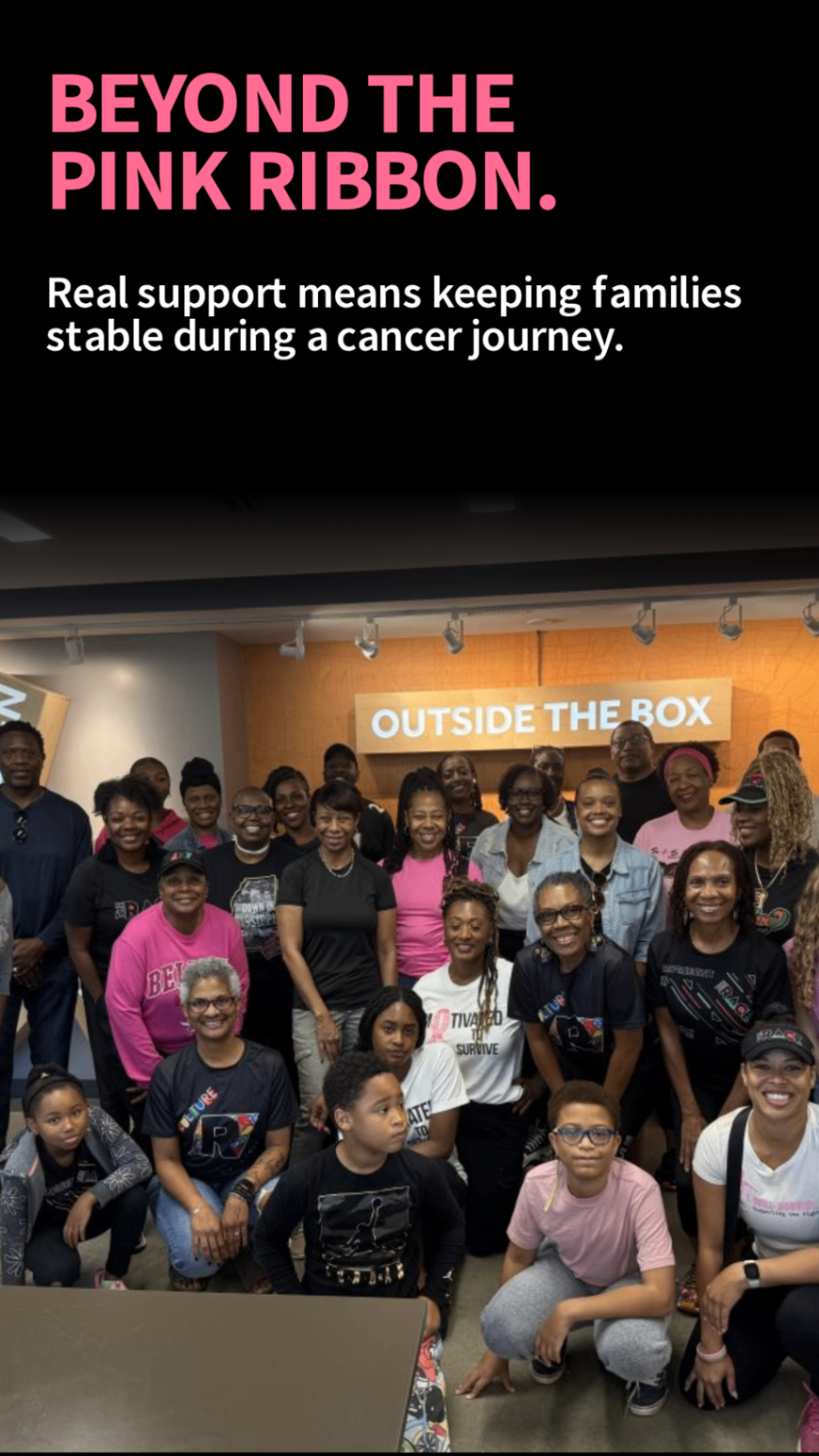
At I Will Survive, Inc., we focus on keeping families stable. Part of that stability comes from knowing where you end and the rest of the world begins. If you’re feeling overwhelmed, perhaps you could try setting one small boundary this week. Maybe it’s turning off your phone after 8 PM or letting a friend know that you aren’t ready to talk about your health today. These small acts of protection create the space necessary for healing.
Step 3: Build a Sustainable Support System
We often hear the phrase "strong survivor," but nobody should have to be strong alone. Reclaiming your life requires a community that understands both where you’ve been and where you’re going.
Your support system might include medical professionals, but it should also include people who fill your cup. This could be a formal support group, a therapist, or just a group of friends who know when to bring a laugh and when to bring a meal.
It seems we can't always find the right words to describe the survivor experience to those who haven't lived it. That’s why connecting with others who have walked the path is so vital. Whether it’s through our Ladies First Initiative or community events, finding your "tribe" reminds you that you aren't an island.


If you’re looking for ways to connect or even ways to give back as part of your healing, you might explore our fundraising campaigns. Sometimes, helping someone else through their first step is the best way to solidify your own.
Step 4: Develop Daily Coping Skills and Self-Care
Moving beyond surviving isn't a one-time event; it’s a daily practice. This is where we bridge the gap between "getting through the day" and "enjoying the day."
Many survivors deal with long-term side effects like "chemo-brain" or chronic fatigue. These aren't just in your head; they are real physical hurdles. Developing coping skills means having a toolbox of strategies to handle these moments when they arise.

As shown in the infographic above, things like memory aids, regular physical activity, and social support can make a huge difference in managing cognitive changes. Self-care isn't just bubble baths and candles: though those are great! It’s also:
- Practicing self-compassion when you forget a name or a date.
- Engaging in light movement to help regulate your nervous system.
- Spending time in nature to ground yourself.
- Using safe, non-toxic products to reclaim your confidence in your appearance. You can check our guide on safe skincare and makeup for more tips.

By making these practices consistent, you tell your brain and body that the "emergency" is over and it is safe to start living again.
Step 5: Reconstruct and Move Forward with Purpose
The final step is the most exciting: reconstruction. This is where you decide what the "new you" looks like. You aren't "recovering" your old life; you are "discovering" a new one.
Start by reassessing your values. Many survivors find that the things that used to feel important: like climbing a corporate ladder or worrying about minor social slights: no longer hold the same weight. This clarity is a gift. Use it to set specific, measurable goals.

Perhaps you’ve always wanted to start a garden, or maybe you want to mentor other survivors. Reclaiming your life means taking active steps toward those desires. It’s about moving from internal reflection to external action. You might start by volunteering, looking into a new career path, or simply committing to one "joy-focused" activity every week.
Remember, this isn't about rushing. Healing is ongoing, not a destination. It’s okay if some days still feel like "surviving" days. The goal is to make the "thriving" days more frequent.
Summary and Takeaway
Reclaiming your life after a major health journey or trauma is a brave, step-by-step process. By following these five stages, you can move from the shadows of survival into the light of a purposeful life:
- Understand: Acknowledge your journey and release self-blame.
- Protect: Set boundaries to preserve your precious energy.
- Support: Surround yourself with a community that uplifts you.
- Cope: Build daily habits that support your physical and mental health.
- Reconstruct: Take active, intentional steps toward your new goals.
We are so proud of how far you’ve come. It seems we can't provide a map that fits everyone perfectly, but we can offer a hand to hold while you find your way.
Take the Next Step
Are you ready to move beyond surviving? We’d love to have you as part of our community. Whether you want to join an event, find resources for men with breast cancer, or support our mission by donating, your presence makes us stronger.
Visit our blog for more stories and guides, or reach out to us today at I Will Survive, Inc. Let’s reclaim your life together!