
Blog
Bridging the Gap: Addressing Breast Cancer Disparities in Our Community


April is a special month for us here at I Will Survive, Inc. It’s Minority Health Month: a time when we take a step back to look at the big picture of health in our country, specifically for our Black and Brown neighbors. While we celebrate the progress made in medicine, we also have to get real about the "gaps" that still exist.
In Atlanta, we see these gaps every single day. We see them in the faces of the mothers, sisters, and daughters who walk through our doors. We see them in the stories of families who are doing everything right but still find themselves struggling to keep their heads above water after a diagnosis. Today, we want to talk about why these disparities exist and, more importantly, how we can bridge that gap together.
The Numbers Don't Lie (But They Do Hurt)
When we talk about breast cancer, we often hear that early detection saves lives. And it’s true. But the reality is that "early detection" isn't a level playing field.
The data tells a story that’s hard to swallow: Black women are 40% more likely to die from breast cancer than white women. Let that sink in for a second. Even though Black women actually have a slightly lower rate of getting breast cancer in the first place, they are far more likely to lose their lives to it.
This isn't just a statistic; it’s a crisis. It means that in our community, our friends and family members are being diagnosed at later stages, or they aren't getting the same quality of treatment, or they are facing hurdles that make it impossible to finish their care. It’s a gap that costs lives, and it’s a gap we are determined to close.
Why Is the Gap So Wide?
Perhaps you're wondering, "How did we get here?" It isn't just one thing. It’s a tangle of systemic issues that have been built up over decades.
First, there’s systemic racism in healthcare. It’s a heavy topic, but we have to address it. Whether it’s implicit bias from doctors or a historical mistrust of the medical system, many Black and Brown women don't always feel seen or heard in a clinical setting. When a patient feels uncomfortable or ignored, they might hesitate to go back for follow-up appointments.
Then, there’s the lack of access to quality care. If you live in a "healthcare desert" where the nearest specialist is two bus rides away, getting to a mammogram becomes a major production. If you don't have health insurance, the cost of a simple screening can feel like a mountain you can't climb.
Finally, there’s the financial burden. We always say that cancer doesn't just attack the body; it attacks the bank account. For many families in Atlanta, a breast cancer diagnosis means choosing between paying for a life-saving prescription or paying the electric bill. It means wondering if you’ll have enough for rent this month because you had to miss work for chemotherapy.
More Than Just a Medical Diagnosis
At I Will Survive, Inc., we believe that "health" is about more than just what happens in a doctor’s office. It’s about having a roof over your head, food on the table, and the peace of mind to focus on healing.
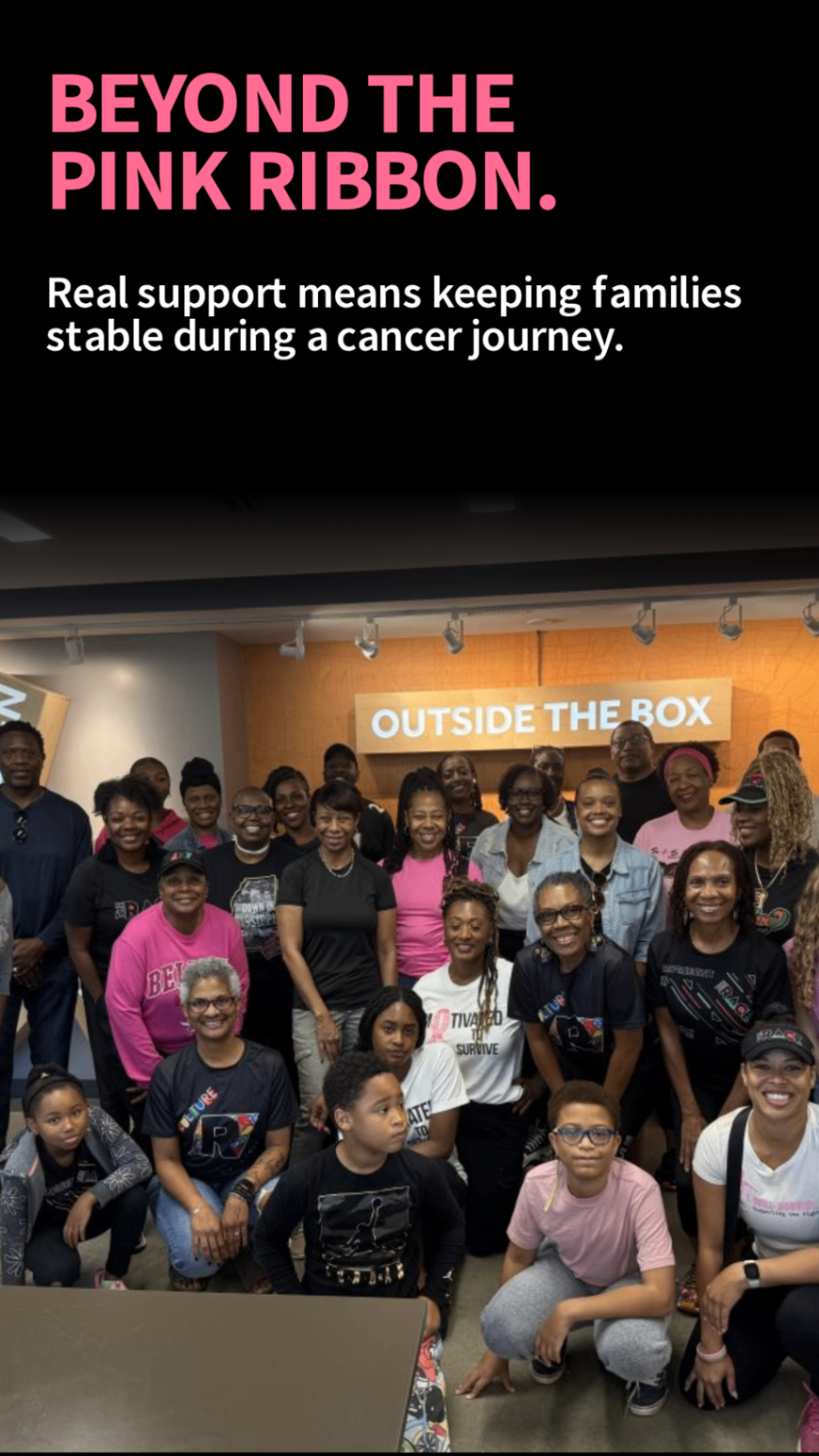
We’ve met so many women who are incredibly strong, but they are tired. They are fighting for their lives while simultaneously fighting to keep their families stable. It seems we can’t talk about health equity without talking about economic equity. That’s why our mission goes beyond the pink ribbon.
We provide direct financial assistance for things like rent and utilities. Why? Because we know that if a woman is evicted, she isn't going to make it to her radiation treatment. If her lights are turned off, she can't store her medication properly. By removing these financial barriers, we’re helping to clear the path so she can focus on the only thing that should matter: surviving.

How We’re Building the Bridge
We don't just want to talk about the problem; we want to be part of the solution. Our approach is simple: we go where the need is.
One of the ways we are actively "bridging the gap" is through our prevention education. We talk about the importance of knowing your body and understanding your risks. We also provide information on things like clinical trials, which have historically lacked diversity. If you’re interested in learning more about how these trials work and why they matter for our community, you can check out some of the resources we’ve put together.

Our Mobile Wellness Clinic: Healthcare on Wheels
We know that sometimes, the biggest barrier is just getting to the clinic. That’s why we are so passionate about our Mobile Wellness Clinic.
Instead of waiting for people to find us, we take the resources to them. We show up in the neighborhoods where access is limited. We provide screenings, education, and a friendly face. It’s about meeting people where they are, literally.
The Mobile Wellness Clinic is our way of saying, "We see you, and we’re coming to you." It’s a physical manifestation of the bridge we’re trying to build. But keeping a clinic on wheels running takes a village. It takes fuel, maintenance, medical supplies, and dedicated staff who care about health equity as much as we do.
A Personal Note from Atlanta
We see these "gaps" every day. We see them in the families we serve right here in our backyard. We’ve sat with daughters who are terrified because their moms can't afford treatment. We’ve hugged survivors who are thriving today because they finally got the support they needed to finish their journey.
It breaks our hearts to know that someone’s zip code or the color of their skin can determine whether they survive breast cancer. It’s not right, and it’s not something we can accept.
We are a veteran-owned non-profit, and we bring that same sense of duty and service to everything we do. We are on a mission to ensure that every person, regardless of their background, has a fair shot at a long, healthy life.

Join Us in Bridging the Gap
This Minority Health Month, we’re asking you to stand with us. The gap is wide, but it’s not impossible to cross if we all pull together.
There are so many ways you can help:
- Educate Yourself: Learn about the disparities and share what you know with your friends and family. Knowledge is power.
- Spread the Word: Tell people about our Mobile Wellness Clinic. You never know who might need that information.
- Donate: Your financial support goes directly to helping families in need. Whether it’s keeping the lights on for a survivor or keeping the Mobile Wellness Clinic on the road, every dollar makes a difference.
If you feel moved to help us keep "bridging the gap," perhaps you could consider making a donation today. You can visit our donation page to see how your gift impacts the lives of those we serve.
We can't change the past, and we can't erase the statistics overnight. But we can change the future for the families in Atlanta and beyond. We can build a community where a breast cancer diagnosis isn't a death sentence because of where you live or what you look like.
Thank you for being part of our village. Together, we don't just survive: we thrive.
Summary & Takeaway:
Minority Health Month is a reminder that health disparities, particularly the 40% higher breast cancer mortality rate for Black women, are a pressing issue. These gaps are caused by systemic racism, financial burdens, and lack of access. I Will Survive, Inc. is dedicated to bridging these gaps through direct financial aid, education, and our Mobile Wellness Clinic. We invite you to join our mission by educating your community and supporting our work. Every action counts toward creating health equity for all.