
Blog
Patriot Day: Remembering 9/11 and the Spirit of Service That Still Carries Us


On September 11, 2001, the United States experienced a tragedy that changed countless lives. Families lost loved ones. First responders ran toward danger. Communities waited, searched, prayed, and grieved. In the days and years that followed, service members answered the call to defend the nation, while families carried the weight of long separations, uncertainty, sacrifice, and loss.
On Patriot Day 2026, we mark the 25th anniversary of the attacks. We remember the nearly 3,000 people who died. We honor the first responders and civilians who showed extraordinary courage. We recognize the service members who stepped forward in the years that followed. Most of all, we hold space for the families and communities who continue to carry this history.
This day invites us to remember. It also asks us to consider how we can serve one another now.
Remembering the Lives Lost on September 11
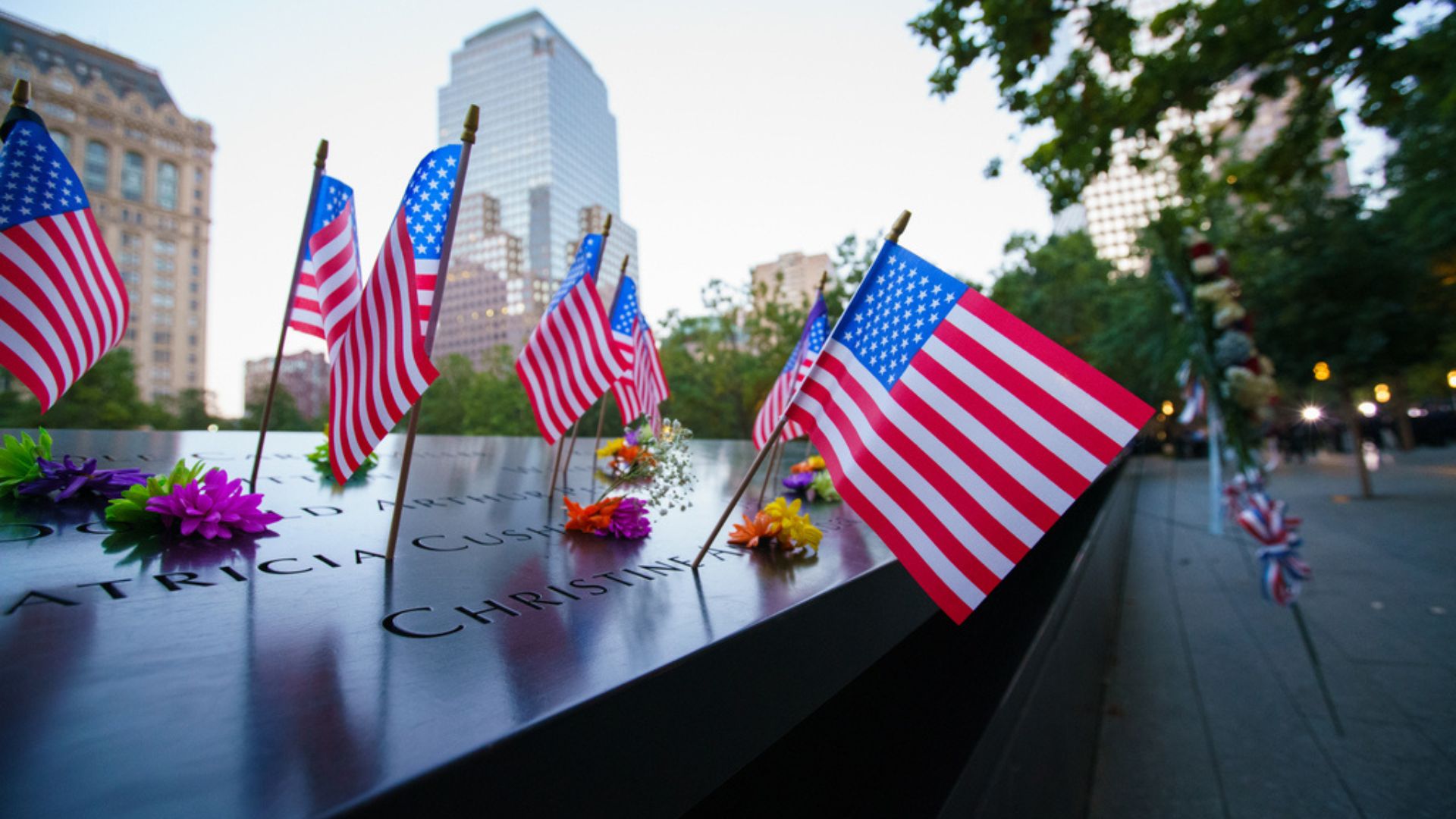
Patriot Day is a day of remembrance. It is not a celebration. It is a time to pause and reflect on the people whose lives ended on September 11 and the many others whose lives changed forever.
The victims came from different backgrounds, communities, faiths, and professions. They were parents, children, spouses, friends, colleagues, neighbors, and strangers whose names became part of our national memory.
The 9/11 Memorial & Museum describes the 25th anniversary as an opportunity to “remember, reflect, and learn.” Those three words offer a meaningful guide for this day.
We remember the lives lost.
We reflect on the courage and compassion that emerged in the aftermath.
We learn how to carry forward the values that helped communities respond: service, courage, generosity, and care.
For families who lost loved ones, the anniversary may bring grief that feels immediate, even after 25 years. For people who witnessed the attacks or their aftermath, the day may bring difficult memories. Perhaps the most respectful way to observe Patriot Day is to allow room for every experience, including sorrow, gratitude, silence, and hope.
Honoring First Responders and Those Who Served
When the attacks occurred, firefighters, law enforcement officers, emergency medical professionals, military personnel, health care workers, transportation workers, and ordinary civilians responded with courage.
Many first responders entered buildings and rescue sites while others moved people toward safety. Some lost their lives that day. Others continued working in the difficult months that followed. Many later faced serious health consequences connected to their service and exposure.
Their sacrifice reminds us that service often begins with a simple decision: to help when help is needed.
In the years after September 11, service members carried that same commitment into new and difficult circumstances. Many deployed far from home. Families adapted to long absences and new responsibilities. Some service members never returned. Others came home with visible or invisible wounds that required ongoing care.
We honor their service by doing more than saying thank you. We honor it by making sure veterans, service members, caregivers, survivors, and military-connected families can find meaningful support when they need it.
The U.S. Department of Veterans Affairs has identified Patriot Day 2026 as a time to honor, remember, and serve. Its National Day of Service and Remembrance includes volunteer opportunities at VA and state cemeteries across the country. These activities offer one practical way to turn remembrance into action.
The Families Who Carry the Legacy
Every major national tragedy also becomes a personal story for families.
A spouse may remember the last phone call. A child may grow up hearing stories about a parent they barely knew. A sibling may continue to mark each anniversary quietly. A caregiver may spend years helping a loved one navigate health challenges connected to service.
Military-connected families understand that service affects the entire household. Deployments, relocations, caregiving responsibilities, financial strain, and health concerns can shape daily life for years.
Some families also face serious illnesses, including breast cancer. A diagnosis can create emotional, physical, and financial challenges for the person receiving care and for everyone who supports them. Veterans, active-duty service members, spouses, caregivers, and survivors may need help understanding screening, treatment, transportation, insurance, and household responsibilities.
Health concerns should never be dismissed because someone has served others. The people who carry responsibility for a family or a mission also deserve care.
If you or someone you love needs information about breast cancer support, a cancer care team can help explain treatment options, possible side effects, referrals, and next steps. Veterans may also wish to speak with their VA health care team, while eligible service members and families can contact their military health provider or TRICARE representative.
Service Continues Through Community Care
The spirit of service does not belong only to a single day. It continues when neighbors make meals for a family under stress. It continues when someone drives a loved one to an appointment. It continues when a community member volunteers at a memorial, checks on a veteran, or helps a caregiver rest.
Community care can take many forms:
- Volunteer at a local veterans’ organization, cemetery, food bank, or community health event.
- Reach out to a military-connected family and ask how you can help.
- Offer transportation or practical support to someone attending medical appointments.
- Share reliable breast cancer screening and support resources.
- Donate to an organization that provides health education, financial assistance, or wellness support.
- Learn the history of September 11 from trusted educational sources and share age-appropriate information with younger generations.
- Observe a moment of silence or attend a local ceremony with respect and reflection.
Small acts matter. They can reduce isolation and remind people that they do not have to carry every burden alone.
For those navigating cancer, gentle movement and wellness support may also help during recovery, when medically appropriate. Before starting exercise during or after cancer treatment, it's important to consult a qualified care team and choose activity that reflects each person's health, treatment plan, and strength.

Remembering Without Losing Hope
Patriot Day carries profound sadness. Yet remembrance also reveals the ways people respond to suffering.
After September 11, people donated blood, opened their homes, searched for survivors, comforted strangers, and stood beside grieving families. First responders worked together. Communities found strength in shared responsibility. Service members and their families accepted difficult duties. Volunteers transformed grief into action.
That legacy remains relevant today.
We continue to see courage when a veteran asks for help. We see resilience when a family adapts to a cancer diagnosis. We see compassion when a caregiver receives support. We see service when people use their time, resources, and skills to make another person’s path a little easier.
As the 9/11 Memorial & Museum notes, the stories of bravery, compassion, unity, and service continue to ripple through the decades. Those values can guide us as we respond to today’s health challenges and community needs.

A Patriot Day Invitation
On September 11, perhaps we can each choose one meaningful act of remembrance.
We can learn a name. Listen to a family story. Thank a first responder. Check on a veteran. Support a caregiver. Share a trusted health resource. Volunteer. Give. Or simply pause in silence and remember the lives that were lost.
There is no single correct way to observe this anniversary. What matters is that remembrance remains thoughtful, respectful, and connected to action.
Twenty-five years later, the promise to never forget is more than a phrase. It is a responsibility. We keep memory alive by caring for the people who continue to carry the effects of that day. We honor service by serving one another. We protect hope by making sure no family faces grief, illness, or uncertainty alone.
This Patriot Day, let us remember those we lost, honor those who answered the call, and stand with the veterans, service members, first responders, and families who continue to carry the mission.
May our remembrance lead to compassion. May our gratitude lead to service. And may our service help build communities strong enough to carry one another forward.