
Blog
pH Balance Basics: Why “Alkaline-Forming” Foods are a Survivor’s Best Friend

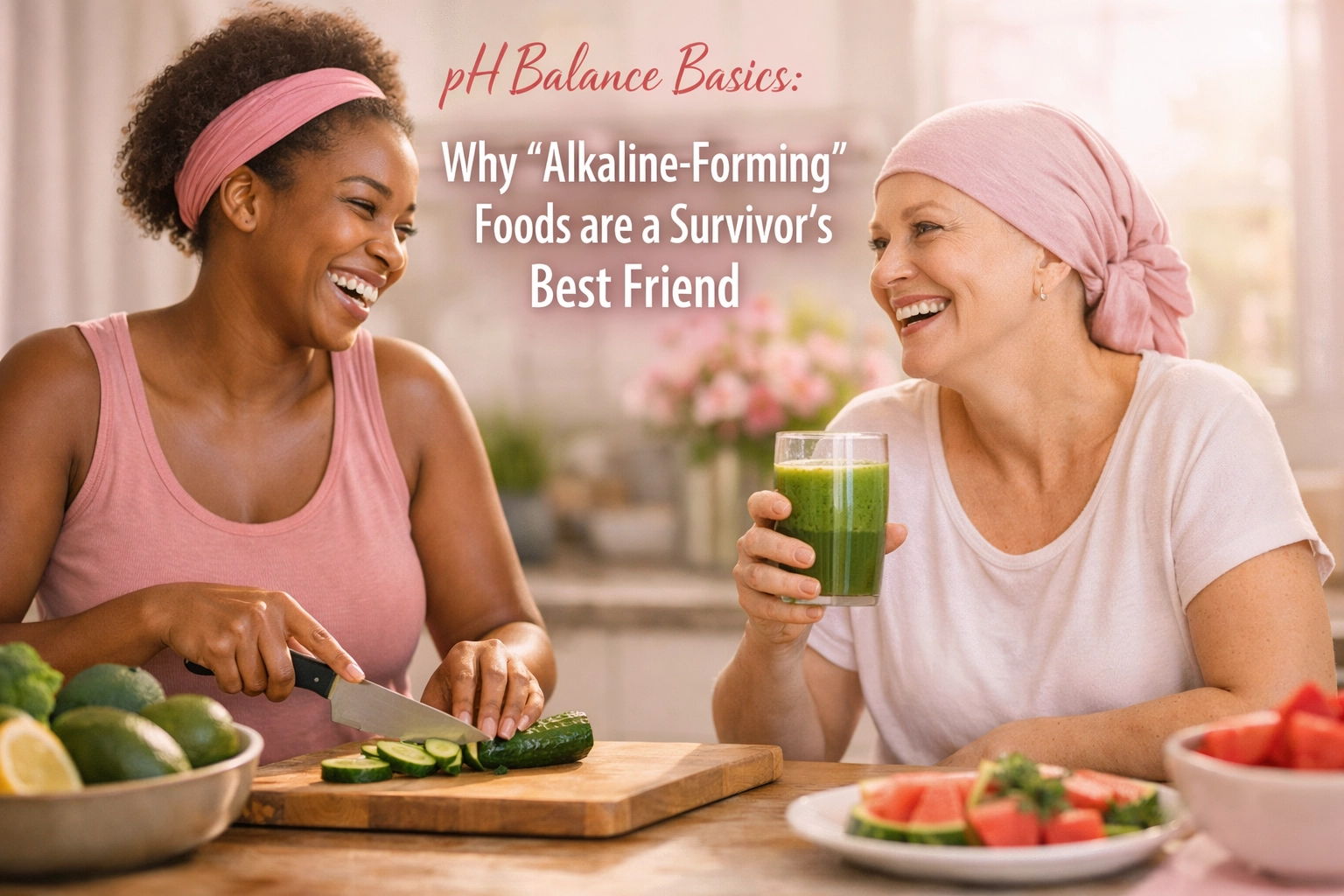
I remember sitting with a friend who had just finished her final round of treatment. She looked at her plate of steamed broccoli and sighed. "Anisa," she said, "I feel like I’ve spent the last year fighting my own body. I just want to know how to be kind to it again."
That feeling is something so many of us in the I Will Survive, Inc. community know by heart. After the "war" of treatment, your body feels like a construction site. Everything is under repair, and you’re looking for the right materials to rebuild. One of the most powerful, yet simplest, tools we have in our recovery toolkit is the food we choose to eat.
Lately, you might have heard a lot of buzz about "alkaline diets." It sounds like a complicated science experiment, but at its heart, it’s about one thing: lowering inflammation so your body can heal. This is Part 1 of our three-part series on eating for wellness. Today, we’re breaking down the basics of pH balance and why "alkaline-forming" foods are a survivor’s best friend.
Decoding the pH Mystery: It’s Not About Your Blood
Let’s clear up a common myth right away. You might hear people say they are "changing their blood pH" with food. Truthfully, our bodies are much smarter than that. We have incredible built-in systems: mostly our kidneys and lungs: that keep our blood pH strictly regulated between 7.35 and 7.45. If our blood pH moved even a tiny bit outside that range, we’d be in a medical emergency.
So, if we aren't changing our blood, what are we doing?
When we talk about alkaline-forming foods, we’re talking about the "ash" or residue left behind after your body digests food. Think of it like wood in a fireplace. Once the wood burns, it leaves behind a specific type of ash. Some foods leave behind an acidic residue, while others leave behind an alkaline residue.
When your diet is heavy on acid-forming foods, your body has to work overtime to neutralize that acid. It pulls minerals like calcium, magnesium, and potassium from your bones and organs to keep things balanced. Over time, this "overwork" can lead to chronic inflammation: and for breast cancer survivors, keeping inflammation low is the name of the game.

Why Inflammation is the Enemy (And How Alkaline Foods Help)
Inflammation isn't always a bad thing. If you scrape your knee, inflammation is what brings the "repair crew" to the site. But chronic, long-term inflammation is different. It’s like a low-grade fire that never goes out. It can lead to fatigue, joint pain, and an internal environment where cancer cells find it easier to thrive.
Research suggests that alkaline-forming foods: which are packed with antioxidants, vitamins, and minerals: help quench those inflammatory fires. By choosing foods that leave an alkaline residue, we’re essentially giving our bodies a break. We’re providing the "repair crew" with the best possible tools without making them clean up a mess at the same time.
For those of us navigating recovery, this can mean more energy, less "chemo-brain" fog, and a general sense of feeling lighter.

The Acid Culprits: What to Watch Out For
It seems we can't always avoid every "acidic" food, and that's okay. We’re aiming for progress, not perfection. However, it helps to know which foods are the biggest acid-formers so we can perhaps start to nudge them off our plates a bit more often.
Common acid-forming foods include:
- Processed Sugars: The big one. High sugar intake is linked to spikes in inflammation.
- Heavy Meats: Red meat and processed meats (like deli meat or bacon) tend to be very acid-forming.
- Dairy: Milk, cheese, and butter often leave an acidic residue.
- Refined Grains: White bread, white pasta, and sugary cereals.
- Caffeine and Alcohol: While a morning coffee is a ritual for many, it is highly acidic.
If your diet is mostly made up of these things, your body is constantly in "buffer mode," trying to keep your pH stable. This can leave you feeling drained and stiff.
The Alkaline Superstars: Your New Best Friends
Now for the good news! The list of alkaline-forming foods is delicious, vibrant, and incredibly healing. These are the foods that leave behind those helpful minerals like potassium and magnesium.
- Leafy Greens: Spinach, kale, swiss chard, and collard greens are the ultimate winners.
- Citrus Fruits: This is the "Citrus Paradox." Even though a lemon is acidic to taste, once it’s digested, it leaves a very alkaline residue in the body.
- Cruciferous Veggies: Broccoli, cauliflower, and cabbage.
- Nuts and Seeds: Specifically almonds, pumpkin seeds, and chia seeds.
- Root Vegetables: Sweet potatoes, beets, and carrots.

Choosing these foods isn't just about pH; it’s about the massive dose of phytonutrients you’re getting. These nutrients protect your cells from damage and support your immune system, which is exactly what we want at I Will Survive, Inc.
Simple Steps: The Lemon Water Ritual and the "Plus One" Rule
At I Will Survive, Inc., we know that making big lifestyle changes can feel overwhelming, especially when you're already managing doctor appointments and daily life. You don't have to overhaul your entire kitchen today. Perhaps you can start with just two simple habits.
1. The Morning Lemon Water Ritual
This is the easiest way to start your day on an alkaline note. Squeeze half a fresh lemon into a glass of lukewarm water first thing in the morning. It helps "wake up" your digestive system and provides an immediate alkaline boost to start your day. It’s a small act of self-care that reminds you that you’re in control of your health.
2. The "Plus One" Rule
Instead of thinking about what you can't have, think about what you can add. Every time you sit down for a meal, ask yourself: "Where is my alkaline 'plus one'?"
- Eating eggs? Add a handful of spinach.
- Having a sandwich? Load it with cucumber and sprouts.
- Grabbing a snack? Reach for a handful of almonds instead of crackers.
By focusing on adding the good stuff, the less-helpful stuff naturally starts to take up less room on your plate.

Balance, Not Perfection
We want to emphasize that an "alkaline-forming" diet is about balance. You don't need to be 100% alkaline. Most experts suggest an 80/20 rule: aim for 80% alkaline-forming foods and 20% acid-forming foods. This allows you to enjoy your life, have that slice of birthday cake, or enjoy a family dinner without feeling guilty.
Stress is also very "acid-forming." If you are stressing out over every bite of food you take, you are essentially undoing the hard work you’re doing in the kitchen. Take a deep breath. Your body is resilient. It wants to heal. By shifting toward these vibrant, plant-based foods, you’re just giving it a much-needed helping hand.
Summary and Takeaways
- pH Basics: Your body regulates blood pH, but "alkaline-forming" foods leave a mineral-rich residue that reduces the "workload" on your system.
- Inflammation: A high-acid diet can lead to chronic inflammation, while an alkaline-forming diet helps reduce it: essential for recovery and prevention.
- The Lists: Watch out for processed sugar and heavy meats; embrace greens, citrus, and nuts.
- Keep it Simple: Start with lemon water and try to add one green vegetable to every meal.
We are so proud of you for taking these steps toward your wellness. If you’re looking for more ways to support your journey or want to connect with others who understand what you’re going through, we are here for you. Explore our Get Support page or consider donating to help us continue providing these resources to our community in Atlanta and beyond.
Stay tuned for Part 2, where we’ll give you the ultimate alkaline grocery list to make your next shopping trip a breeze!
Want to learn more about keeping your body healthy?
Check out our Get Educated section for more tips on nutrition, self-care, and navigating life after a diagnosis. We’re in this together!